





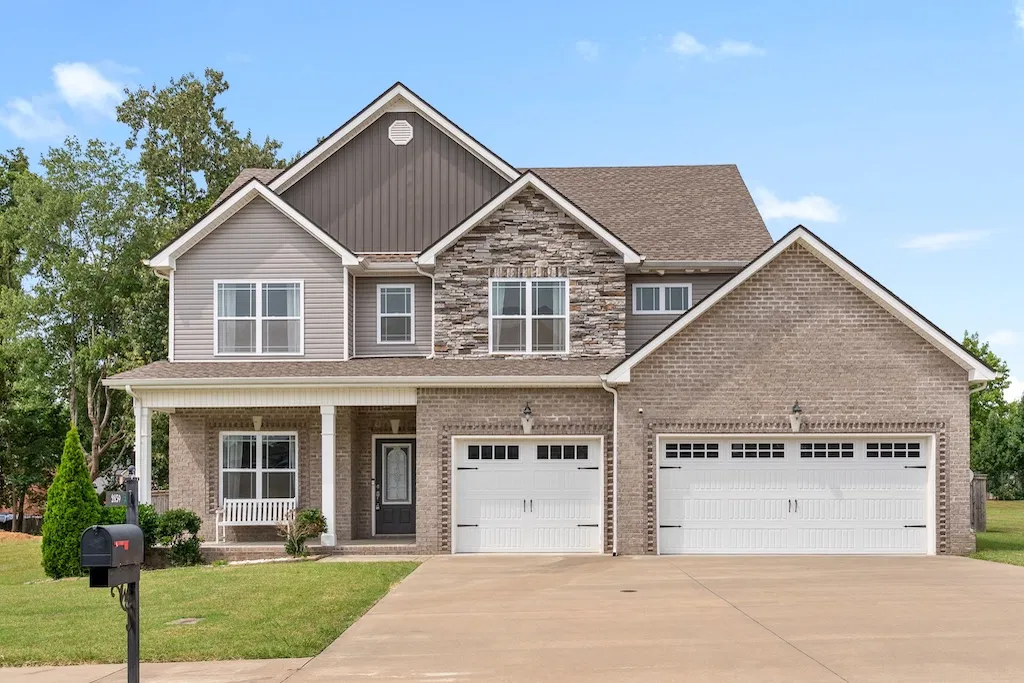

If you are stationed at NAS Pensacola, buying a home may help you build equity and create a long-term asset. However, buying is not automatically the best choice for every service member. Your orders, expected time in the area, financing, commute, insurance costs, and plans after your next PCS should all guide the decision.
Quick answer: Buy only if your timeline and finances support it
Buying a house while stationed at NAS Pensacola may make sense when:
- You expect to remain in the Pensacola area for at least two to three years.
- Your total housing payment fits comfortably within your budget.
- You qualify for a VA loan or another financing option that meets your needs.
- You are prepared to maintain the property after a future PCS.
- You would be comfortable selling or renting the home if your orders change.
Renting may be the better option if your assignment is short, your report date or follow-on orders are uncertain, or buying would leave you without adequate savings for emergencies, moving costs, maintenance, and insurance changes.
The right answer depends less on whether Pensacola is a good place to own property and more on whether the purchase fits your specific military timeline.

How long should you plan to stay?
Military assignments can change quickly, and transaction costs make short-term ownership more difficult. When you buy, your expenses may include:
- Loan origination and closing costs
- Appraisal and inspection fees
- Title and recording charges
- Homeowners insurance
- Windstorm or flood insurance
- Repairs and maintenance
- Selling expenses if you later list the property
If you buy and sell within a short period, these costs can reduce or eliminate any equity you hoped to build. A longer ownership period gives you more time to benefit from principal reduction and potential market appreciation.
A two- to three-year horizon is a useful starting point for evaluating a purchase, but it is not a guarantee. You should compare the projected costs of buying with the total cost of renting for the same period. A lender, tax professional, and experienced real estate professional can help you review the numbers.
If you expect to leave Pensacola within a year, renting will often provide more flexibility. If you expect a longer assignment or want to keep the property as a rental after your PCS, buying may deserve closer consideration.
Can you use a VA loan at NAS Pensacola?
Eligible service members and veterans may be able to use a VA-backed purchase loan to buy a primary residence. The VA explains that borrowers must meet service, credit, income, and occupancy requirements, and you can request a Certificate of Eligibility through the official VA home loan eligibility page.
Potential benefits of VA financing may include:
- No required down payment in qualifying circumstances
- No private mortgage insurance requirement
- Competitive loan terms
- The ability to preserve cash for moving and emergency expenses
A VA loan does not mean that buying is automatically affordable. You still need to account for the complete monthly payment, including:
- Principal and interest
- Property taxes
- Homeowners insurance
- Wind coverage
- Flood insurance, if required or recommended
- Homeowners association dues
- Utilities
- Maintenance and repairs
You must also intend to occupy the home as your primary residence. If you later receive PCS orders, your circumstances may change, but you should discuss any plan to rent the property with your lender and understand how it may affect your loan entitlement and future financing.
How does BAH affect the decision?
Your Basic Allowance for Housing can help you establish a housing budget, but it should not be treated as a recommended spending target. Your exact rate depends on factors such as rank, dependency status, and duty location.
Before making an offer, verify your current rate through your finance office or the appropriate Department of Defense housing allowance resources. Then compare your BAH with the complete cost of ownership rather than comparing it only with the mortgage principal and interest.
A home that appears affordable based on the loan payment may become much more expensive after insurance, taxes, HOA dues, and maintenance are included. This is particularly important in coastal Florida, where wind and flood-related costs can vary significantly between properties.
Ask your lender for a written payment estimate and request insurance quotes before you become too committed to a specific home.
Where should NAS Pensacola service members consider living?
Your commute should be one of the first factors in your search. NAS Pensacola, Corry Station, and nearby military facilities serve different areas, and traffic conditions can change substantially during peak report and release times.
Depending on your priorities, you may consider areas such as:
- Warrington and West Pensacola for proximity to NAS Pensacola
- Navy Point for a short commute and waterfront character
- Downtown Pensacola and East Hill for restaurants, culture, and walkability
- Gulf Breeze for a coastal suburban setting
- Pace or Milton for newer construction and additional space
- Perdido Key for beach-oriented living, subject to insurance and rental considerations
Do not judge a location only by its distance on a map. Test the commute during your actual report time, review the route to your gate, and consider how bridge traffic or seasonal congestion could affect your daily schedule.
The official NAS Pensacola Housing Service Center information can help you review available housing resources. You can also explore the NAS Pensacola Homes website for information about privatized housing options.
What Florida-specific risks should you evaluate?
Pensacola-area buyers need to evaluate more than the home’s size, price, and finishes. Before submitting an offer, ask for information about:
Flood exposure
A property does not have to sit directly on the beach to have flood-related concerns. Check the property’s flood zone, elevation information, prior claims when available, drainage, and lender insurance requirements.
Wind and storm protection
Ask whether the home has hurricane shutters, impact-rated windows, a reinforced garage door, roof straps, and other wind-mitigation features. A qualified inspector and insurance professional can help you understand which improvements may affect coverage or premiums.
Roof age and condition
Roof age can affect both insurability and future costs. A home inspection may identify visible concerns, but your insurer may also require a separate roof inspection or documentation.
Deferred maintenance
Pay close attention to HVAC systems, plumbing, electrical components, moisture intrusion, seawalls, decks, fences, and exterior materials. Repairs that seem minor during a showing can become expensive after closing.
HOA and rental restrictions
If you may rent the property after a PCS, review the association’s rental caps, approval requirements, minimum lease terms, pet rules, and other restrictions before you buy. A property that cannot be rented under your future plan may not be a good investment for you.

What if you PCS before you are ready to sell?
A future PCS does not automatically mean buying was a mistake. You may have several options, depending on your finances and the property:
- Sell the home before or after your move.
- Rent the home through a qualified property manager.
- Keep the property as a long-term investment.
- Use available equity or other financing for your next home, if you qualify.
- Reassess the property if your assignment changes unexpectedly.
If you plan to rent the home after your PCS, prepare before you leave. Review local rental demand, estimate realistic rent, budget for vacancy and repairs, and choose a professional manager who can coordinate maintenance, tenant communication, inspections, and compliance.
Do not assume that the rent will automatically cover the mortgage. Your calculation should include management fees, repairs, insurance, taxes, vacancy, turnover, and larger capital expenses.
When is renting the better choice?
Renting may be the more practical decision if:
- You have less than two years remaining at NAS Pensacola.
- Your orders or follow-on assignment are uncertain.
- You do not have enough savings for closing and emergencies.
- Coastal insurance costs make ownership uncomfortable.
- You do not want to become an out-of-state landlord.
- You need flexibility to move quickly.
- You are still learning which Pensacola neighborhoods fit your family.
Renting also gives you time to understand commute patterns, school preferences, flood exposure, and local property conditions before committing to a purchase. You can always buy later after gaining more information.
A practical NAS Pensacola buy-versus-rent checklist
Before choosing, complete these steps:
- Confirm your remaining time at NAS Pensacola and likely PCS timeline.
- Verify your VA eligibility and request a Certificate of Eligibility if appropriate.
- Obtain lender pre-approval based on your complete financial picture.
- Request estimates for homeowners, wind, and flood insurance.
- Compare total ownership costs with comparable rents.
- Test commute times during your actual work schedule.
- Review flood zones, roof age, inspection findings, and HOA rules.
- Decide whether you would sell or rent after a PCS.
- Maintain cash reserves after closing.
- Work with an experienced military-relocation professional.
Haus provides military relocation resources designed to help service members and their families evaluate housing decisions during a PCS. If you are considering a Pensacola-area purchase, contact Haus to discuss your timeline, preferred communities, financing goals, and long-term plan.
Final answer: Should you buy while stationed at NAS Pensacola?
You should consider buying if you expect to stay long enough to offset transaction costs, can comfortably afford the complete payment, and have a realistic plan for the property after your next PCS.
You should generally lean toward renting if your assignment is short, your finances are tight, or you do not want the responsibility of selling or managing a rental from another state.
Buying a home while stationed at NAS Pensacola can be a valuable opportunity, but the strongest decision is the one that protects your flexibility and financial stability. Review the numbers carefully, verify your loan and insurance requirements, and choose a home that works for both your current assignment and your next move.
This article is for general informational purposes only and is not financial, legal, tax, insurance, lending, or property-specific advice. Loan terms, VA eligibility, insurance requirements, market conditions, and military housing policies can change. Consult qualified professionals before making a real estate or financing decision. Equal Housing Opportunity.






