





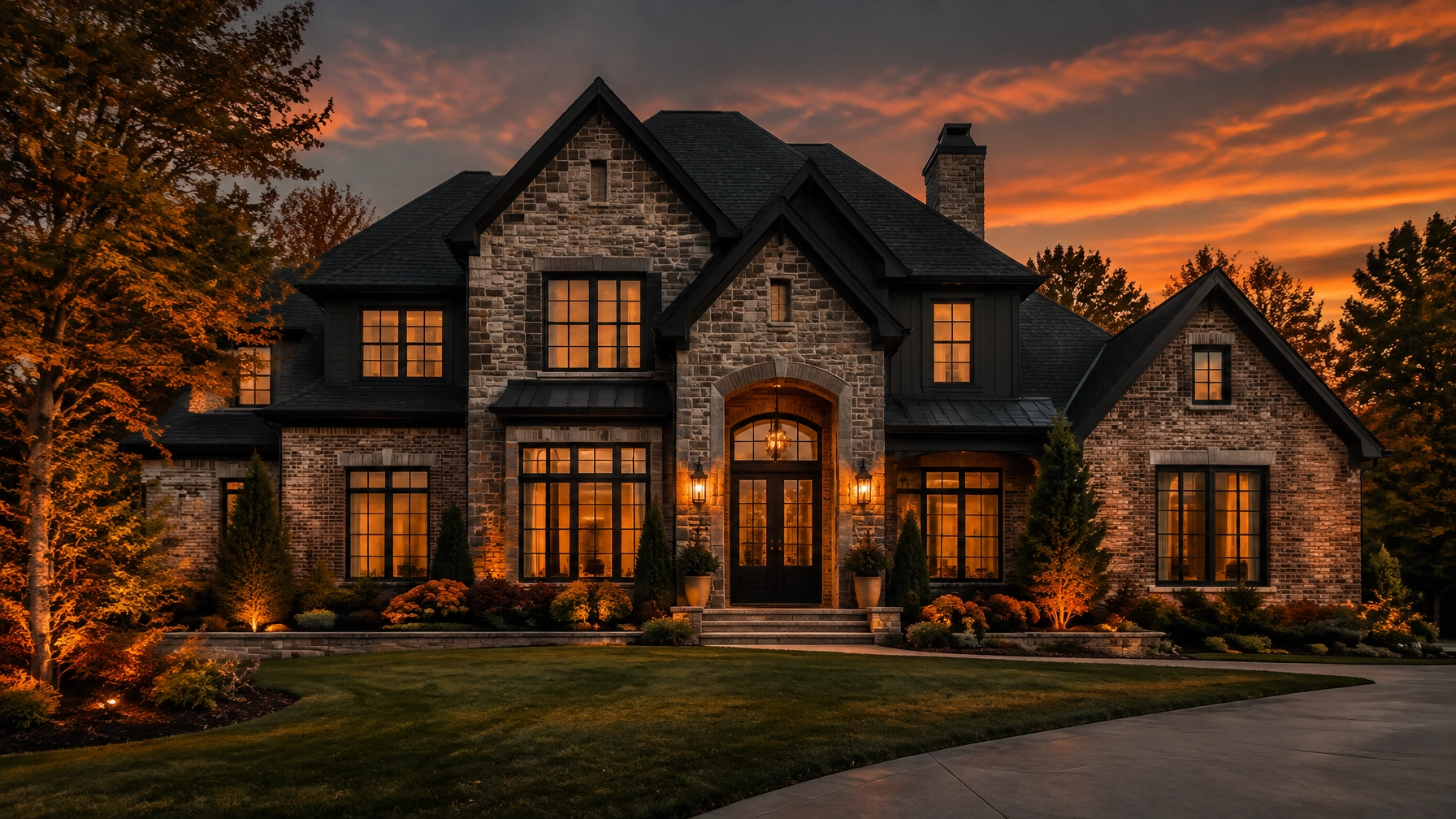

Luxury homes in Clarksville can hold their value well, but high-end resale performance is not automatic. At the upper end of the market, buyers are paying for more than square footage and expensive materials. They are evaluating location, land, construction quality, everyday functionality, maintenance requirements, and whether the home will appeal to another qualified buyer several years from now.
The most durable value usually comes from a strong combination of location, usable property, excellent construction, timeless design, and a floor plan that works for modern households. Highly personal features may create an extraordinary living experience for the current owner, but they do not always return their full cost at resale.
For buyers and sellers considering Clarksville TN luxury homes value, the central question is not simply, “How much did this home cost to build?” It is:
“How many future buyers will recognize the value of what is here?”
The short answer: Yes, but expect a more selective market
Luxury properties in Clarksville can be resilient because the supply of well-located custom homes, estate properties, and acreage is limited. The strongest opportunities are often found in established or desirable corridors such as Sango, Rossview, and other custom-estate areas of Montgomery County.
Haus’s Montgomery County communities guide identifies Sango as an area known for newer homes, larger lots, suburban appeal, and access to I-24. Rossview offers a mix of established neighborhoods and new construction near I-24 and Exit 8. Those location advantages can support demand because buyers are not only purchasing a house. They are purchasing a setting, commute pattern, community, and lifestyle.
However, luxury homes typically have a smaller buyer pool than entry-level or mid-market properties. That means pricing, presentation, financing conditions, and timing matter more. A home can be excellent and still require a longer marketing window.
Which features tend to protect resale value?
1. Location within a recognized luxury corridor
Location is one of the most difficult features to change after a home is built. A carefully designed property in a desirable part of Sango, Rossview, or a custom-estate corridor may have a stronger resale foundation than a similarly priced home in a less established or less convenient area.
Buyers often weigh:
- Access to I-24 and major employment centers
- Proximity to shopping, dining, schools, and services
- Travel time to Fort Campbell or Nashville
- The character and consistency of surrounding properties
- Privacy, views, road quality, and neighborhood stability
- Whether nearby development supports or competes with the property
A luxury home does not need to be close to every amenity to hold value. Some buyers prefer rural privacy. The key is matching the location to a clearly identifiable buyer profile and pricing the property according to comparable demand in that specific micro-market.
2. Usable lots and meaningful acreage
Land can be a strong value-supporting feature, especially when it provides privacy, outdoor living space, room for recreation, or the ability to add useful improvements. But acreage should be evaluated carefully.
A large lot is more valuable when it is:
- Usable rather than steep, wet, or heavily wooded
- Easily accessible from the home
- Suitable for outdoor activities, gardens, or future improvements
- Supported by appropriate utilities, drainage, and access
- Consistent with what buyers in the area actually seek
A five-acre property does not automatically command five times the land value of a one-acre property. The usability of the land, road frontage, restrictions, fencing, views, and maintenance obligations all affect buyer perception.
For a buyer, ask how you will use the acreage today and how a future buyer might use it. For a seller, document improvements such as fencing, trails, drainage work, landscaping, and permitted structures so the property’s land value is clearly presented.

3. Quality of construction and finish
Luxury buyers expect more than upgraded fixtures. They look for evidence that the home was built and maintained with care.
Value-supporting quality may include:
- Durable exterior materials such as brick, stone, or well-maintained siding
- High-quality roofing, windows, doors, and mechanical systems
- Thoughtful insulation and energy performance
- Strong cabinetry, millwork, flooring, and plumbing fixtures
- Well-executed kitchens and bathrooms
- Professional installation rather than merely expensive products
- Clear records for warranties, maintenance, and improvements
A high price tag does not guarantee high quality. A custom home with expensive finishes but poor workmanship, deferred maintenance, or inefficient systems may be more difficult to justify during resale and appraisal.
Quality also needs to age well. Materials that look current but are difficult to repair or replace can become a concern. Timeless design, durable surfaces, and neutral flexibility generally give future buyers more confidence.
4. Functional floor plans
Luxury buyers still want a home that works. A dramatic entry, oversized great room, or impressive primary suite may attract attention, but daily usability often determines whether a buyer makes an offer.
Features that tend to broaden appeal include:
- A logical relationship between the kitchen, dining, and living areas
- Adequate storage and practical utility spaces
- A main-level bedroom or flexible guest accommodation
- A private home office or adaptable study
- Well-planned bedroom separation
- Comfortable circulation without excessive unused space
- Direct access to outdoor living areas
- A garage that accommodates the vehicles and equipment buyers actually own
The best luxury floor plans feel generous without being wasteful. A home with six bedrooms may not outperform a better-designed four-bedroom home if some rooms are awkward, inaccessible, or difficult to furnish.

Which luxury features may not return their full cost?
Specialty improvements can be valuable to the right buyer, but they may narrow the market.
Examples include:
- Highly unusual swimming pools or elaborate water features
- Dedicated rooms designed for one highly specific hobby
- Home theaters with expensive equipment and limited alternative use
- Commercial-grade kitchens that require specialized maintenance
- Strongly themed interiors
- One-of-a-kind tile, stone, wallpaper, or millwork
- Oversized structures that create significant heating, cooling, or maintenance costs
- Custom additions that do not fit the surrounding neighborhood
This does not mean you should avoid personalizing your home. Your house should serve your lifestyle. The important distinction is between an improvement that adds broad utility and one that primarily reflects a single owner’s preferences.
A large shop may be more resale-friendly than a specialty room because it can serve multiple purposes: vehicles, storage, workshop space, recreation, or business use subject to local rules and property restrictions. Even then, buyers will consider the shop’s condition, access, permits, utility costs, and relationship to the main home.
Why appraisal and comparable sales become more difficult
At higher price points, there may be fewer recent sales that truly resemble the property. A custom estate may have a unique combination of acreage, finished space, detached structures, pool amenities, and construction quality that does not appear in a standard neighborhood comparable.
That creates two related challenges:
- The listing price must reflect the actual market, not the owner’s total investment.
- The appraisal must be supported by credible, market-relevant evidence.
Fannie Mae’s guidance on comparable sales explains that comparable properties should compete for the same buyers and share similar physical and legal characteristics. When truly similar sales are unavailable, an appraiser may expand the search area or use older sales, but the reasoning and adjustments must be explained.
Its guidance on adjustments to comparable sales also emphasizes that adjustments should reflect market reaction, not unsupported rules of thumb. An unusual feature may add value, but the adjustment must be supported by evidence that buyers in that market actually paid for it.
This is why a luxury seller should prepare a detailed property file before listing. Include plans, surveys, permits, invoices, maintenance records, utility information, builder details, and documentation for major improvements. A well-organized package can help agents and appraisers understand the property’s quality and functional value.

Why a longer marketing window can be normal
A longer marketing period does not necessarily mean a luxury home is failing. The buyer pool is smaller, showings may be more deliberate, and qualified buyers often compare several properties before making a decision.
Luxury homes may require additional time because:
- Buyers need to sell another property
- Financing may involve jumbo or other specialized lending
- Relocation decisions can take longer
- The home may need a specific buyer who appreciates its acreage or amenities
- Appraisal support may require extra analysis
- Seasonal presentation can affect landscaping and outdoor features
The goal is not to force a quick sale at any price. The goal is to launch with accurate positioning, professional presentation, and a strategy for reviewing feedback before the listing becomes stale.
How buyers should think about the holding period
Luxury real estate is generally better evaluated over a longer holding period than as a short-term appreciation bet. A buyer who may need to sell in two or three years faces greater exposure to transaction costs, interest-rate changes, market competition, and the possibility that a highly personalized property will take time to resell.
Before purchasing, consider:
- How long you realistically expect to own the property
- Whether the home fits your future household needs
- Annual maintenance and insurance costs
- The flexibility of the floor plan
- The resale appeal of the location and acreage
- Whether the improvements are documented and permitted
- How the property compares with other luxury options in Clarksville
The current mortgage environment also matters. Freddie Mac’s Primary Mortgage Market Survey reported a 30-year fixed rate of 7.28% for the week ending October 1, 2026. This is a national benchmark, not a quote for your loan. Actual terms may vary based on loan size, credit, down payment, property type, lender, and other underwriting factors. At luxury price points, financing costs can materially influence the number of buyers who can compete for a property.
Haus expert contribution: Randy Whetsell
Randy Whetsell of Haus Realty & Management advises luxury buyers and sellers to separate lifestyle value from market value before making a decision. In Clarksville, that means studying the property’s specific corridor, identifying the most likely future buyer, and comparing the home with other properties that compete for that same buyer.
For buyers, Randy’s guidance is to prioritize location, land usability, construction quality, and functional design before paying a premium for highly individualized amenities. For sellers, the focus should be on honest pricing, professional presentation, documentation, and a marketing plan that explains why the property is worth consideration even when direct comparable sales are limited.
That approach reflects the practical reality of luxury real estate: the best value story is one that a future buyer, agent, lender, and appraiser can all understand.
Bottom line
Do luxury homes in Clarksville hold their value? Well-located, well-built, functional luxury homes often have the strongest chance of preserving value over time. Properties in desirable Sango, Rossview, and custom-estate corridors can benefit from location, scarcity, and buyer demand for space and privacy.
But luxury value is not protected by expense alone. A highly personalized pool, specialty room, or unusual finish may be meaningful to you without producing an equivalent return later. Before you buy or sell, evaluate the property through the eyes of the next buyer.
If you are considering a luxury purchase or preparing to sell, contact Haus Realty & Management to request a Haus luxury value analysis. Our experienced team can help you evaluate location, comparable sales, property features, presentation, and the likely holding period for your Clarksville real estate goals. You can also review Haus client testimonials and success stories to learn how our team supports buyers and sellers through complex transactions.






