






Quick Answer
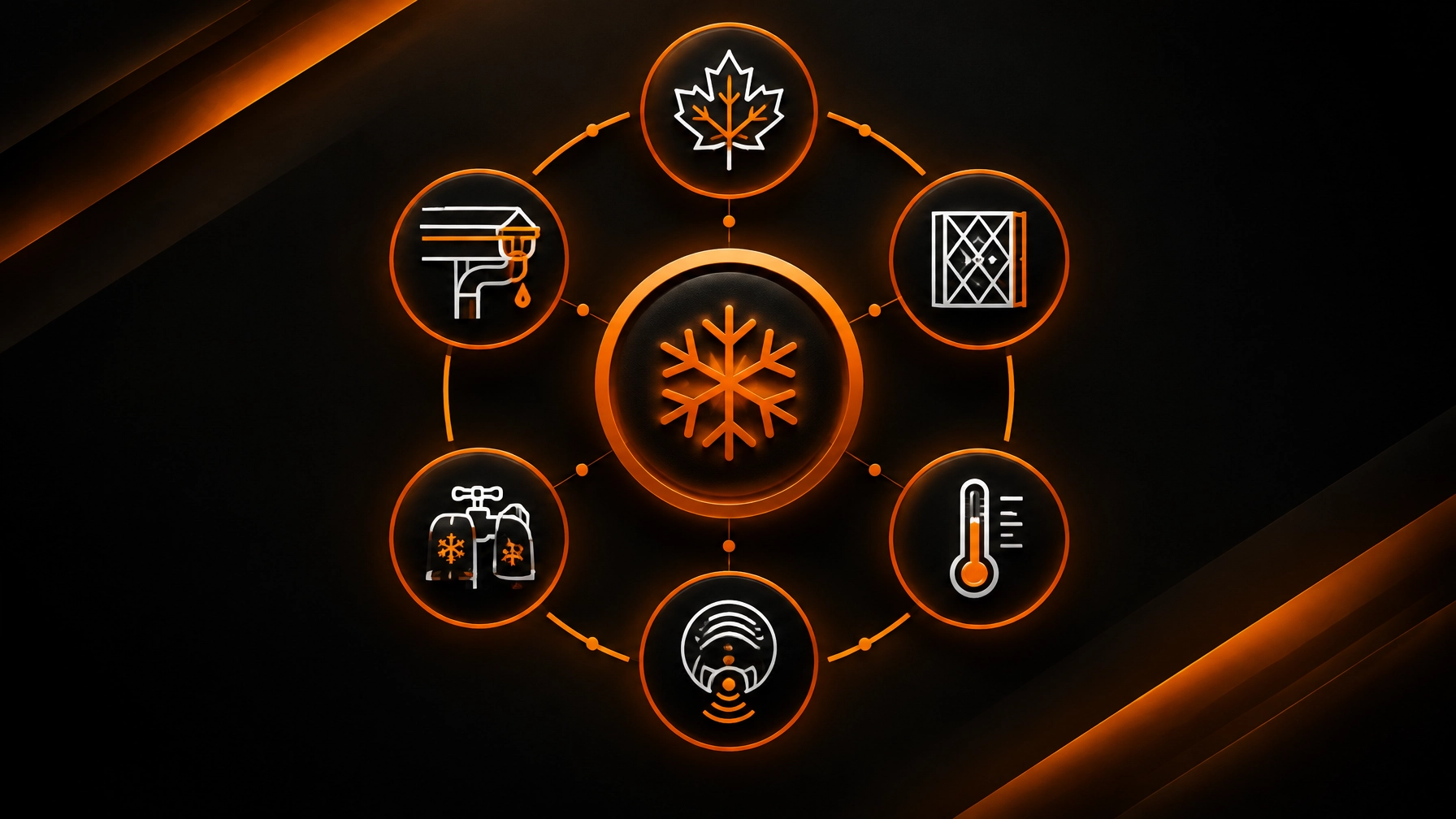
Start preparing in October, but let the local forecast, not a calendar date, set your deadline. Clear gutters, service your HVAC system, disconnect and protect exterior faucets, check alarms, protect vulnerable pipes, and gather emergency supplies before freezing temperatures are forecast.
Why should your schedule follow the forecast instead of a fixed date?
Clarksville does not have one dependable “first frost” date for every home. Cold air, elevation, tree cover, pavement, and exposure can make temperatures vary across the area, even between nearby neighborhoods. The first frost can also arrive earlier or later from year to year.
Frost and a freeze are not the same thing. Frost can form when surfaces cool enough for ice crystals, even if the reported air temperature is a little above 32°F. A freeze occurs when air temperature reaches 32°F or below; a hard freeze is colder still. Protect tender plants when frost is expected, and prioritize plumbing precautions when a freeze is in the forecast.
Check the National Weather Service Nashville forecast and local weather information regularly as fall progresses. For preparedness guidance, see Ready.gov’s winter weather recommendations. Both accessed October 14, 2026.
What should you do in October, before the first frost?
Use October to take care of jobs that are easier to do before cold weather or wet leaves make them harder. If you need a contractor, arranging service early may also give you more scheduling options.
How should you prepare gutters and the roof?
Remove leaves and debris from gutters and downspouts so water can drain away from the house. Check that downspouts discharge away from the foundation, and look for obvious signs of damage or leaks.
Inspect the roof from the ground with binoculars, if helpful. Look for visibly loose or missing shingles, damaged flashing, or debris. Do not climb onto a roof or lean out of a window to inspect it. If you see a concern, or cannot assess the roof safely, contact a qualified roofing professional.

How should you prepare your heating system?
Schedule seasonal HVAC service if your system is due for an inspection. Replace or clean the air filter according to the manufacturer’s instructions, and continue checking it regularly during heavy use. A dirty filter can restrict airflow and make a heating system work harder.
Check that supply and return vents are open and not blocked by furniture, rugs, or curtains. If you have a heat pump, clear leaves and other debris from around the outdoor unit without bending or damaging its components. Leave technical inspection and repairs to a qualified professional.
If you are budgeting for upkeep, Haus has a related guide to how much to budget for home maintenance in Clarksville.
What should you check around outdoor faucets?
Disconnect garden hoses, drain them, and put them away. If your exterior faucets have indoor shutoff valves, close them before a freeze and open the outdoor faucets to drain remaining water. Follow your faucet’s instructions; some frost-free designs have specific requirements.
Where outdoor faucets or water lines remain exposed, use an appropriate insulated cover or pipe insulation. Do not cover drainage openings or other components that need to remain clear. If you cannot find the shutoff or are unsure how your plumbing is configured, ask a plumber to show you before cold weather arrives.

What should you complete before a freeze is forecast?
Once freezing temperatures appear in the local forecast, finish the plumbing and safety checks promptly. A brief overnight dip can be enough to put exposed plumbing at risk, especially in unheated areas or spots vulnerable to drafts.
How can you reduce the risk of frozen pipes?
Find and label the main water shutoff so you can act quickly if a pipe leaks or bursts. Check exposed pipes in places such as garages, crawl spaces, and exterior-wall cabinets. If pipes are vulnerable, add suitable insulation and seal drafts where appropriate.
Keep the home heated during cold weather, including when you are away. If a room has plumbing on an exterior wall, opening the cabinet doors can help warm air reach the pipes. In some situations, a slow drip from a vulnerable faucet can help reduce the risk of freezing; consider the plumbing layout and ask a professional if you are unsure.
If you suspect a pipe has frozen, do not use an open flame to thaw it. Know where the shutoff is, and contact a qualified plumber if you cannot safely resolve the issue.
How should you test smoke and carbon monoxide alarms?
Test smoke alarms and carbon monoxide (CO) alarms using the test button and follow each unit’s manufacturer instructions. Replace batteries when needed, check expiration or replacement dates, and make sure alarms are installed where required, especially near sleeping areas and on each level of the home.
Never use a gas oven or stovetop to heat your home. If you use a generator during an outage, Ready.gov advises keeping it outdoors at least 20 feet from windows, doors, and attached garages. Follow the equipment manufacturer’s safety instructions.
What emergency supplies should you gather?
Prepare for a power outage or a stretch of bad weather with supplies that meet your household’s needs. Check what you already have, then fill any gaps:
- Flashlights, spare batteries, and a battery-powered or hand-crank radio
- Charged power banks and charging cables
- Drinking water and nonperishable food
- Prescription medications and essential personal supplies
- Warm clothing, blankets, and supplies for pets
- A basic first-aid kit
Store supplies where you can find them without searching in the dark. Ready.gov also recommends planning for individual household needs and keeping up with emergency alerts.

How can you make the calendar easy to follow?
Keep the checklist somewhere visible and use the forecast as your trigger for time-sensitive tasks. A practical sequence is:
- October: Clean gutters; check the roof from safe ground; book HVAC service; replace or clean the filter; test alarms; locate the main water shutoff.
- When frost is forecast: Protect sensitive plants and bring vulnerable potted plants indoors.
- Before a freeze: Disconnect hoses; shut off and drain exterior faucets where applicable; cover exposed plumbing; confirm the heat is working; check emergency supplies.
- During cold weather: Monitor updated forecasts and alerts, keep the home heated, and watch vulnerable plumbing.
This is a homeowner checklist, not a substitute for instructions specific to your equipment or professional advice about your home’s condition. If you own a home in the area and are planning broader maintenance, Haus Realty & Management’s homebuying resources can help you explore local real estate guidance.
“A little preparation before a freeze can help you avoid preventable damage and make a cold-weather outage less stressful. Start with the forecast, take care of the essentials, and bring in a qualified professional when a job is not safe to handle yourself. We are proud to be a Tennessee Silver Level Veteran Ready Business.”
the Haus Realty & Management team
If you would like guidance related to your Clarksville home or your next real estate step, contact Haus Realty & Management at (931) 201-9694.
What are common questions about first-frost preparation?
When should Clarksville homeowners start a first-frost checklist?
Start in October, when you can schedule service and complete outdoor work before temperatures drop. Then use the local forecast to decide when to protect plants and when to complete freeze-sensitive plumbing tasks.
Does the first frost mean my pipes will freeze?
Not necessarily. Frost and freezing air temperatures are different conditions, and indoor pipes are affected by factors such as exposure, insulation, drafts, and heat. Protect vulnerable plumbing before a forecast freeze.
Should I disconnect a garden hose before winter?
Yes. Disconnect, drain, and store garden hoses before freezing weather. If your faucet has an indoor shutoff, follow its instructions for closing the valve and draining the outdoor faucet.
Can I inspect my roof myself?
You can look for visible concerns from the ground, but do not climb onto the roof or put yourself at risk. Hire a qualified professional if you see damage or need a closer inspection.
What should I do if a pipe may be frozen?
Locate the main water shutoff and avoid using an open flame to thaw the pipe. Contact a qualified plumber if you cannot safely address the issue or if a leak develops.






