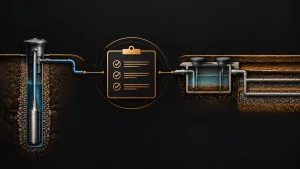
Buying land in Stewart County, Tennessee, requires different due diligence than buying a completed home. Before you commit, confirm that the parcel has legal access, a buildable septic site, a reliable water plan, practical utility options, acceptable land-use conditions, and a commute that fits your daily life.
Stewart County can offer more privacy, acreage, and rural space than many Clarksville neighborhoods. It can also require more planning, more cash upfront, and more responsibility for roads, wells, septic systems, utility extensions, and future construction.
If you are considering land near Dover, Indian Mound, Cumberland City, or other Stewart County communities, use this guide to evaluate the property before making an offer.
How much does acreage cost in Stewart County TN?
As of September 2026, current listing and land-sale data suggests that general rural acreage in Stewart County often falls between approximately $5,000 and $10,000 per acre, although the range varies significantly by size, location, utilities, terrain, and water access.
A practical local snapshot looks like this:
- Large, remote, unimproved tracts: approximately $2,700–$5,500 per acre
- Mid-sized rural tracts of roughly 10–40 acres: approximately $6,000–$9,000 per acre
- Smaller buildable parcels near roads, utilities, or services: approximately $10,000–$20,000 or more per acre
- Lakefront or riverfront property: often priced substantially higher
- Land with power, fiber internet, survey work, driveway access, or prior septic approval: typically commands a premium
Listing data is not the same as closed-sale data. Recent marketplace information has shown Stewart County median sold land values closer to approximately $5,500–$8,500 per acre, depending on the dataset and property type. Review current Stewart County land listings on LandSearch and ask your agent for comparable closed sales before deciding whether a parcel is fairly priced.
The most important question is not simply, “What is the price per acre?” It is, “What will it cost to make this acreage usable for my plans?”
Can you build on the land with septic?
You should never assume that vacant land is suitable for a home just because it appears level, has road frontage, or has previously been used for farming or recreation.
In rural Stewart County, many properties rely on private septic systems rather than public sewer. Before closing, confirm that the property can support a septic system sized for your intended home.
Your due-diligence process should include:
- A soil evaluation or percolation test
- Identification of the proposed home site
- Confirmation of the number of bedrooms the site can support
- A reserve area for future septic repairs or replacement
- Review of slopes, rock, wet areas, drainage, and flood risk
- Verification of any previous septic permits or soil evaluations
Tennessee requires a septic construction permit before a new subsurface sewage disposal system is installed. The Tennessee Department of Environment and Conservation septic guidance explains the application process and the information typically required, including the lot size, proposed house site, well location, driveway, utilities, and soil documentation.
A seller’s statement that a parcel “should perk” is not a substitute for written confirmation from the appropriate state or local authority. Make your offer contingent on satisfactory septic approval if your ability to build depends on it.

Will you need a well or public water?
Public water availability varies by road and location. Some parcels may have a water line nearby, while others may require a private well. Even when a public line is present, you need to confirm the connection requirements, meter availability, tap fees, and distance from the road to the building site.
Ask these questions before you buy:
- Which water utility district serves the property?
- Is a water main located directly along the road?
- Can the property receive a meter?
- What are the connection and extension fees?
- Are there recorded water-service easements?
- If a well is required, what are typical well depths and drilling costs nearby?
- Is the proposed well location separated appropriately from the septic drain field?
For a private well, request a written estimate from a local drilling contractor rather than relying on a general allowance. Water production can vary based on geology, elevation, and the exact location of the well.
You should also investigate electricity, internet, propane, trash collection, and emergency-service access. A nearby utility pole does not necessarily mean the cost to extend service to your future homesite will be minimal.
Haus’s guide to Clarksville utility costs can help you think through recurring expenses, but rural land may involve additional one-time costs for poles, driveways, wells, septic systems, and long utility runs.
What should you know about access and easements?
A parcel that appears to touch a road may not have the access you need for construction. Before making an offer, review the deed, survey, title commitment, and recorded easements.
Confirm whether the property has:
- Direct frontage on a public road
- A recorded ingress-and-egress easement
- A private road with a maintenance agreement
- Bridge or culvert access
- Adequate driveway width for construction and emergency vehicles
- A road that is maintained year-round
- Any gate, neighbor, or seasonal-access restrictions
Do not rely on a verbal promise that you may cross a neighboring property. Access rights should be documented and recorded.
Stewart County provides information about road acceptance standards, which can be especially important if you plan to divide the property, build a private road, or create multiple homesites.
A title company and Tennessee real estate attorney can help determine whether an easement is legally sufficient, who maintains the road, and whether the access arrangement could create problems with future construction financing or resale.
Do Tennessee subdivision and land-use rules apply?
Yes. The rules depend on the parcel’s location, the size of the proposed lots, whether new roads or utilities are required, and whether the property is inside a municipality.
You should first determine whether the land is:
- Inside the Town of Dover
- Inside another incorporated municipality
- In an unincorporated portion of Stewart County
- Subject to deed restrictions, conservation restrictions, or subdivision covenants
Inside Dover, contact the town’s Codes, Planning & Zoning office before purchasing. Dover maintains its own zoning and building requirements.
Tennessee subdivision rules can also become important when a tract is divided into smaller lots or when new streets and utility systems are needed. A parcel division that looks simple on paper may require a survey, plat review, septic evaluation, road approval, or other documentation before the lots can be sold or developed.
Ask the appropriate county or municipal office:
- Can I build the intended structure on this parcel?
- Are manufactured homes, accessory structures, or barndominiums allowed?
- Is a new driveway or private road subject to approval?
- Do proposed lot sizes trigger subdivision review?
- Are there restrictions on commercial use, short-term rentals, animals, or additional dwellings?
- Is the parcel in a floodplain or affected by other development limitations?
No-zoning assumptions can create expensive surprises. Verify the current requirements for the exact parcel.
How is buying land different from buying a home?
Vacant land financing is usually more restrictive than financing for an existing primary residence.
A conventional home mortgage is secured by a completed dwelling with an appraisal, utilities, occupancy, and an established market. Raw land does not provide the same collateral profile, so lenders may require:
- A larger down payment
- Shorter repayment terms
- Higher interest rates
- Stronger credit and income documentation
- More cash reserves
- A detailed explanation of your intended use
- A survey, appraisal, access documentation, and utility information
Some lenders offer land loans, while others may offer lot loans or construction-to-permanent financing. A construction loan may be more appropriate if you are ready to build within the lender’s required timeframe, but it may require approved plans, a qualified builder, a construction budget, and a clear completion schedule.
For comparison, Freddie Mac reported that the national average 30-year fixed mortgage rate was 6.95% for the week ending September 17, 2026. You can review the Freddie Mac Primary Mortgage Market Survey for its methodology and current updates.
That 6.95% figure describes a national residential mortgage survey, not a guaranteed land-loan rate. Your land financing terms may be materially different. Ask lenders to compare:
- A land loan
- A construction-to-permanent loan
- A home purchase with future acreage
- Seller financing
- Cash purchase followed by construction financing
If you are a service member, do not assume that a standard VA loan will finance raw, undeveloped land by itself. VA financing is generally structured around an eligible primary residence, although some lenders may offer construction options that combine land and a new build. Confirm eligibility and terms directly with an approved lender.

What is the commute from Stewart County to Clarksville and Fort Campbell?
The commute is one of the most important lifestyle decisions you will make.
Eastern Stewart County and areas closer to major routes may offer drives to Clarksville of roughly 40–45 minutes, depending on the exact location and traffic. Central Dover and more western portions of the county may be closer to 50–65 minutes to Fort Campbell and approximately 45–60 minutes or more to Clarksville. More remote locations can take longer.
Your actual commute will depend on:
- Your Fort Campbell gate and duty location
- Shift times and formation schedules
- Highway and weather conditions
- School and childcare drop-offs
- Shopping, healthcare, and after-school activities
- The condition of rural roads and bridges
The existing Haus guide on living in Dover near Fort Campbell explains the broader lifestyle tradeoff: more land and quiet surroundings in exchange for longer drives and fewer nearby services.
Before buying, drive from the exact parcel to your workplace during your actual morning and afternoon travel windows. A 15-minute difference each way adds up to more than two hours per week.
What does Haus recommend before you make an offer?
Haus expert contribution: Randy Whetsell, Founder of Haus Realty & Management and Principal Broker for the Tennessee office, recommends treating land as a development project rather than simply a cheaper home purchase. Your offer should give you enough time to confirm access, septic feasibility, utilities, title, survey boundaries, financing, and intended use before your due-diligence period expires.
Haus is also recognized as a Tennessee Silver Level Veteran Ready Business, and our experienced team regularly helps buyers compare rural Tennessee living with Clarksville and Fort Campbell-area options.
Before submitting an offer, prepare this checklist:
- Target acreage and maximum budget
- Preferred commute time
- Intended home size and bedroom count
- Septic and soil contingency
- Water plan
- Utility-extension estimates
- Survey and title review
- Flood-zone and topography review
- Deed restrictions and easements
- Financing pre-approval for land or construction
If you are still comparing land with an existing home, begin with Haus’s home-buying resource. Military buyers can also review Fort Campbell BAH and affordability guidance before deciding how much monthly housing cost fits their broader budget.
Are you ready to buy land in Stewart County?
Stewart County acreage can be an excellent fit if you want privacy, outdoor space, a rural lifestyle, or room to build on your own timeline. The right parcel, however, is not simply the one with the lowest price per acre.
Choose land that has:
- Legal and practical access
- A confirmed water solution
- A buildable septic site
- Reasonable utility costs
- Clear title and boundaries
- Acceptable land-use conditions
- A commute your household can sustain
Contact Haus and tell us your acreage goal, budget, intended use, preferred commute, and timeline. We can help you evaluate Stewart County land alongside Clarksville and Fort Campbell-area alternatives so your purchase matches both your lifestyle and your long-term plans.