


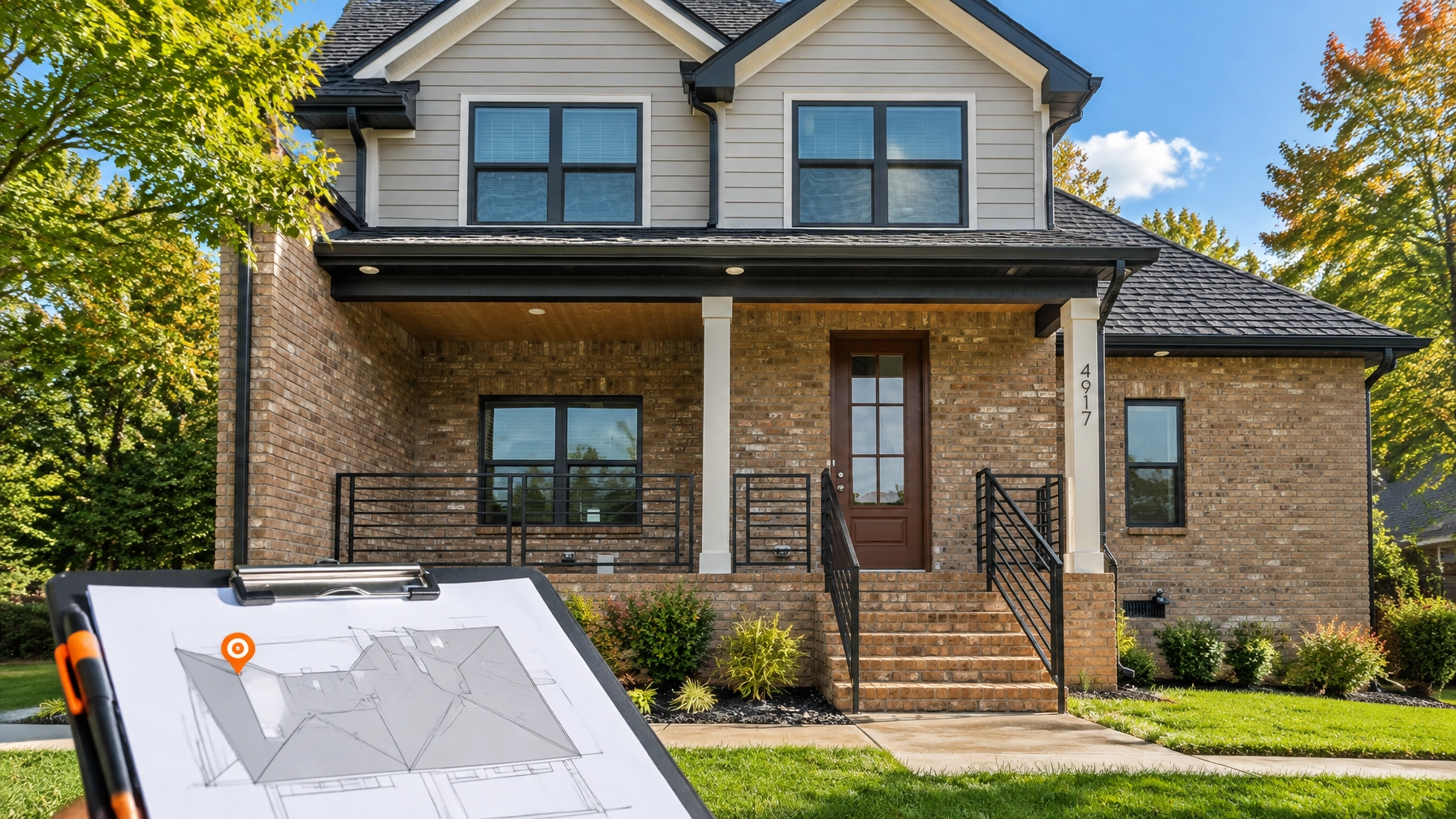

What should Clarksville TN homeowners know about their roof before winter?
September through November is the right window to schedule a roof inspection in Clarksville TN, clean your drainage system, and address storm damage before colder temperatures, heavy rain, and the freeze-thaw cycle expose small problems.
Clarksville roofs handle more than homeowners may realize. Hot, humid summers, thunderstorms, hail, high winds, falling leaves, shaded roof surfaces, and occasional hard freezes can all shorten the useful life of roofing materials. A fall inspection gives you time to correct problems before they become interior leaks or closing delays.
Why September Through November Is the Best Time to Inspect Your Roof
A fall roof inspection is not only about preparing for snow. In Clarksville and Montgomery County, the larger concerns are rain, wind, ice, condensation, and sudden temperature changes.
Summer storms may leave behind:
- Cracked, lifted, or missing shingles
- Hail bruising and excessive granule loss
- Bent flashing around chimneys, vents, and valleys
- Damaged vent boots
- Loose gutters and downspouts
- Fallen limbs or punctures that are not visible from inside the home
Clarksville’s average first freeze generally occurs around early November, although the exact date varies each year. You can review local climate information through the National Weather Service climate data portal.
Scheduling an inspection in September, October, or early November gives you time to obtain repair estimates, complete work during more favorable weather, and monitor the roof before freezing temperatures arrive.

What Roofing Problems Are Common in Middle Tennessee?
Summer hail and wind damage
A roof can look acceptable from the driveway and still have storm-related damage. Hail may bruise the shingle surface, while wind can loosen seal strips, lift edges, or damage flashing.
After a severe storm, look for fresh granules in the gutters, exposed underlayment, displaced shingles, and metal components that appear bent or lifted. If you suspect damage, schedule a professional inspection before attempting repairs or filing an insurance claim.
Moss and algae on north-facing shingles
North-facing roof slopes, shaded areas, and sections beneath mature trees often stay damp longer. This can encourage algae staining and, in more persistent cases, moss growth.
Algae is usually a cosmetic concern, but moss can lift shingle edges and retain moisture against the roof surface. Do not pressure-wash shingles or scrape them aggressively. Improper cleaning can remove granules and create more damage. Ask a qualified roofing professional whether gentle cleaning, treatment, or repair is appropriate.
Gutters and downspouts
Gutters are part of your roof’s water-management system. Leaves and debris can block water flow, causing overflow along the fascia or allowing water to collect near the foundation.
Before winter, check for:
- Sagging or separated gutter sections
- Loose fasteners
- Cracks, holes, or damaged end caps
- Overflow marks below the roofline
- Downspouts discharging too close to the foundation
- Debris collecting in valleys or behind chimneys
Clean gutters after most leaves have fallen, then confirm that downspouts direct water away from the house.
Flashing at chimneys, valleys, and penetrations
Flashing creates a water-resistant transition where roofing materials meet chimneys, walls, valleys, skylights, and plumbing vents. It is one of the most important areas for a professional to evaluate.
A small gap or failed seal can allow water into the attic or wall cavity long before you notice a ceiling stain. Look for rust, lifted metal, cracked sealant, or loose components from the ground. Avoid climbing onto the roof unless you are trained and properly equipped.
Attic ventilation and insulation
Your attic should be evaluated along with the roof. Poor ventilation can trap heat and moisture, accelerating shingle deterioration and contributing to condensation during colder weather.
Check whether:
- Soffit vents are blocked by insulation
- Ridge or gable vents appear obstructed
- Insulation is damp or displaced
- Roof decking shows dark stains or mold-like growth
- You can see daylight around roof penetrations
- The attic has a musty odor
The U.S. Department of Energy’s Building America guidance on asphalt shingle roofs emphasizes the importance of proper air sealing, insulation, and ventilation for managing heat and moisture.

How Long Should an Asphalt Shingle Roof Last?
Many homeowners assume an asphalt roof will automatically last 30 years because the shingles carry a 25- or 30-year product rating. That rating is not a guarantee of service life under every condition.
Typical ranges are:
- 3-tab shingles: approximately 15–20 years
- Architectural shingles: approximately 22–30 years
- Premium or impact-resistant shingles: often longer, depending on installation, ventilation, weather exposure, and maintenance
A roof’s actual condition matters more than its age alone. Clarksville’s heat, humidity, storms, tree cover, and ventilation conditions can cause a roof to age faster than the label suggests.
Once your roof is more than 10 years old, consider annual visual reviews and a professional inspection after major storms. If the roof is approaching 15–20 years old, a documented evaluation can help you decide whether to repair, budget for replacement, or obtain a second opinion.
When Does a Roof Repair Become a Replacement?
A repair may be appropriate when damage is isolated and the rest of the roof remains in good condition. Examples include a small number of missing shingles, a localized flashing problem, or a damaged vent boot.
Replacement becomes more likely when you see:
- Widespread curling, cracking, or brittle shingles
- Granule loss across multiple roof slopes
- Repeated leaks in different locations
- Sagging rooflines or deteriorated decking
- Multiple layers of old roofing
- Repairs that are becoming frequent or difficult to match
- Storm damage spread across a substantial area
- A roof near the end of its expected service life
A contractor should explain whether the recommendation is based on active damage, age, installation concerns, structural issues, or overall economics. Obtain more than one estimate when the proposed work is significant.
What Does a Clarksville Roof Inspection Cost and Cover?
Some roofing companies advertise no-cost visual inspections, particularly when evaluating storm damage or preparing a repair estimate. A paid independent inspection may provide a more neutral condition assessment.
Published Clarksville-area estimates commonly place an inspection combined with minor repair work in the range of approximately $400 to $900, although pricing varies by roof size, accessibility, documentation, and the scope of work. Ask whether the quote includes only a visual review or also attic access, photographs, moisture findings, and a written report.
A thorough inspection should address:
- Shingles, granule loss, curling, cracks, and storm damage
- Flashing at chimneys, valleys, walls, and penetrations
- Vent boots, ridge vents, soffit vents, and attic airflow
- Roof decking, moisture evidence, and visible structural concerns
- Gutters, downspouts, fascia, and drainage
- Previous repairs and areas likely to need future attention
- Photographs and a written summary of recommended work
A standard home inspection and a specialized roofing inspection are not always the same. Ask your inspector what is included before scheduling.
How Can Roof Condition Affect a Clarksville Home Sale or VA Appraisal?
A roof problem can affect a sale even when it does not create an immediate leak. Buyers may request repairs, a credit, a price adjustment, or additional documentation. Some may withdraw if they believe a roof replacement is imminent.
For sellers, a pre-listing roof inspection can help you make decisions before photography, showings, and contract negotiations. Keep invoices, warranties, permits, insurance documentation, and inspection reports organized.
A roof can also become important during a VA-backed purchase. The official VA Lenders Handbook, Chapter 12 states that roof covering must prevent moisture intrusion and provide reasonable future utility, durability, and economy of maintenance. The VA does not set one universal minimum number of remaining years for every roof. However, visible leaks, major deterioration, sagging, or significant damage can lead to appraisal conditions and required repairs.
A roof inspection report does not guarantee an appraisal outcome, but it can help identify and document issues before they affect the transaction.
Haus expert perspective
“In the Clarksville market, preparation is one of the most controllable parts of a home sale. Sellers should address maintenance concerns before photography and showings, not after a buyer’s inspection identifies them.”
Randy Whetsell, Haus – CVILLE Tennessee
For more seasonal preparation guidance, review Haus’s fall home maintenance checklist for Clarksville homeowners.
What Can You Safely Do Yourself Before Winter?
You can handle several preliminary tasks without climbing onto the roof:
- Inspect roof slopes from the ground with binoculars.
- Look for missing, curled, cracked, or lifted shingles.
- Clean accessible gutters after leaf drop.
- Confirm downspouts discharge away from the foundation.
- Trim branches that touch or overhang the roof.
- Check attic decking for stains, dampness, or musty odors.
- Make sure insulation is not blocking soffit vents.
- Photograph concerning areas for a contractor or insurance file.
- Locate your home’s maintenance records and roof warranty.
Do not walk on the roof, scrape moss, pressure-wash shingles, or make repairs near electrical lines unless you have the appropriate training and equipment.
If you see active leaking, sagging, exposed decking, widespread shingle damage, or water stains that are growing, schedule a professional evaluation promptly.
Your Clarksville Roof Inspection Checklist
Before winter, complete these steps:
- Inspect the roof and gutters from the ground.
- Review the attic for moisture, stains, and ventilation concerns.
- Clean gutters and test downspout drainage.
- Schedule a professional roof inspection if your roof is older, storm-damaged, or visibly deteriorated.
- Save photographs, invoices, warranties, and inspection reports.
- If you plan to sell or use VA financing, address roof concerns before the appraisal or listing.
Haus Realty & Management helps homeowners, buyers, sellers, and property owners make informed decisions throughout Tennessee and Kentucky. When you need property-specific guidance, contact the Haus team or explore the company’s homeowner resources.


