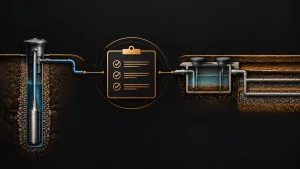
Yes, you can buy land or acreage near Clarksville, Tennessee, but the process requires more due diligence than buying a typical subdivision home. Before you make an offer, you need to confirm the property’s zoning, legal access, utilities, septic or well feasibility, financing options, and intended use.
For many buyers near Fort Campbell, the right property may be a few acres with an existing home, a rural homesite where you plan to build, or a larger tract with room for a workshop, garden, or hobby farm. Each option has different costs and requirements.
This step-by-step guide explains how to approach a Clarksville TN acreage land purchase in Montgomery County and nearby Tennessee communities.
1. Decide What Type of Property You Want
Start by separating your search into one of two categories:
Raw land
Raw land generally has no completed residence. It may or may not have:
- Public water
- Sewer access
- Electricity
- Internet service
- A driveway
- A completed survey
- A septic approval
- A cleared building site
Raw land can provide more flexibility, but it also places more responsibility on you. You may need to arrange a survey, driveway installation, utility extensions, a well, septic system, site preparation, and construction financing.
Acreage with an existing home
A home on acreage may be easier to finance and occupy, especially if the property already has:
- A functioning septic system
- A private well or public water connection
- Established electric service
- A permitted driveway
- Existing outbuildings
- A recorded survey
- Residential improvements that support the appraised value
However, you should still investigate whether the acreage is primarily residential or has agricultural, commercial, subdivision, or income-producing features that could affect financing and value.
Haus’s guide to finding houses with acreage near Clarksville can help you compare rural portions of Montgomery County with nearby Tennessee markets.

2. Choose the Right Location and Commute
Acreage near Clarksville can look rural while still providing access to Fort Campbell, Clarksville employers, schools, shopping, and I-24. Before you focus on acreage size, evaluate the daily drive.
Consider:
- Your commute to Fort Campbell or work
- Access to major roads
- School assignments
- Traffic during peak hours
- Distance to grocery stores and medical services
- Cell service and internet availability
- Aircraft or training-related noise near Fort Campbell
- Future development in the surrounding area
Montgomery County is the primary search area for many buyers, but surrounding Tennessee counties such as Stewart, Cheatham, Robertson, and parts of Dickson County may provide additional rural options. A longer commute may offer more land or a lower price, but you should calculate the time and transportation costs before committing.
3. Confirm Zoning and Permitted Uses
Do not assume that a listing’s description tells you everything you can do with the property. Verify the zoning district and permitted uses with the appropriate local planning authority.
Ask whether the property allows:
- A single-family residence
- A manufactured or modular home
- A detached garage or workshop
- Livestock or agricultural activity
- Short-term or long-term rental use
- A second residence
- Subdivision
- Commercial activity
- An accessory dwelling
Zoning may also control setbacks, minimum lot size, building height, driveway access, fencing, and the placement of accessory structures.
If you plan to divide the land in the future, ask about subdivision requirements before you purchase. A tract that appears large enough to split may lack adequate road frontage, septic capacity, utility access, or compliant building sites.
For properties in unincorporated Montgomery County, verify information with the Clarksville-Montgomery County Regional Planning Commission. If the parcel is inside the City of Clarksville, city zoning rules may apply instead.
4. Investigate Water, Sewer, Well, and Septic Conditions
Utilities are one of the most important differences between buying a subdivision home and buying acreage.
Public water
Ask the utility provider:
- Is a water main located at the road?
- Is the property already connected?
- What are the tap and connection fees?
- Will the buyer pay for line extensions?
- Are there capacity or pressure concerns?
“Water available at the road” does not always mean the cost of connecting the property is included.
Private well
If public water is unavailable, you may need a private well. Before closing, investigate:
- Whether neighboring properties use wells
- Expected drilling depth
- Water quality testing
- Pump and pressure-system costs
- Required well location
- Access for drilling equipment
- Whether the proposed home and septic field can fit on the site
Septic system
Many rural properties near Clarksville do not have public sewer. If the property will use septic, make septic feasibility a purchase-contract condition.
A qualified professional may need to evaluate:
- Soil conditions
- Slope and drainage
- Proposed house location
- Septic field area
- Replacement or repair area
- Well separation requirements
- Number of bedrooms planned
The Tennessee Department of Environment and Conservation septic resources explain state permitting requirements. Montgomery County also directs buyers to provide septic documentation before a building permit is issued.
Do not rely only on a seller’s statement that a parcel “should perc.” Obtain written documentation and confirm that the approved system supports the home you intend to build.

5. Understand How Land Financing Differs From a Mortgage
Financing raw land is usually more difficult than financing an existing house. A traditional home mortgage is secured by a completed residential property. Raw land may require a specialized land loan, construction loan, or local bank financing.
Possible financing options include:
- Local bank or credit union land loans
- Construction-to-permanent financing
- Seller financing
- A loan for an existing home with acreage
- USDA financing for an eligible primary residence and site
- VA construction financing for qualified borrowers and eligible projects
Land loans often require a larger down payment, shorter repayment period, higher interest rate, or additional collateral. Ask lenders about the difference between a bare-land loan and a construction loan before you begin making offers.
Can USDA financing be used for acreage?
Potentially, yes, but USDA financing is generally intended for an eligible primary residence rather than vacant land held for investment or farming.
USDA rules do not impose one universal acreage limit. However, the site typically must be in an eligible area, be considered typical for the local market, and be used primarily as a residence rather than an income-producing agricultural or commercial operation.
The exact property address matters. Review Haus’s guide to USDA loans in Clarksville and confirm eligibility through the official USDA property eligibility map.
If you plan to build, speak with an approved lender before signing a land contract. Not every lender offers USDA construction financing, and the builder, plans, appraisal, site, and completed home must satisfy program requirements.
6. Complete a Thorough Due Diligence Review
Before your due diligence period expires, review the property from several angles.
Title and access
Order a professional title search and confirm:
- The seller owns the property
- There are no undisclosed liens
- Easements are properly recorded
- The parcel has legal access
- The road is public or privately maintained
- Shared-driveway responsibilities are documented
A property may appear to touch a road on a map but still have access complications. Confirm the recorded right to use any private drive or shared entrance.
Survey and boundaries
A recent survey can verify:
- Acreage
- Property lines
- Encroachments
- Easements
- Road frontage
- Fences and structures
- Streams and other physical features
Do not assume fences represent the legal boundary.
Floodplain and drainage
Review flood maps and inspect the property after heavy rain if possible. Creeks, low areas, steep slopes, and poor drainage may limit the location of your house, driveway, septic field, or outbuildings.
Taxes and Greenbelt status
Ask whether the property is enrolled in Tennessee’s Greenbelt program. If you change the property’s use, develop it, or remove acreage from the program, rollback taxes may apply. Confirm the parcel’s status and potential tax consequences with the Montgomery County Assessor.
Environmental and site conditions
Depending on the property, you may need additional evaluations for:
- Abandoned wells
- Underground tanks
- Dump sites
- Erosion
- Timber restrictions
- Conservation easements
- Mineral rights
- Wetlands
- Unusual soil conditions

7. Write the Contract Around Your Intended Use
Your purchase agreement should give you time to investigate the property. Depending on your plans, consider contingencies for:
- Financing approval
- Appraisal
- Survey
- Title review
- Septic or soil evaluation
- Well feasibility
- Utility verification
- Zoning confirmation
- Building-site approval
- Subdivision approval
- Floodplain review
- Inspection of existing structures
If you are buying land to build, communicate your plan before making an offer. A parcel that works for a small home may not work for a large house, detached shop, multiple structures, or future subdivision.
8. Plan the Full Cost, Not Just the Purchase Price
Acreage ownership may involve expenses that are not reflected in the listing price, including:
- Surveying
- Closing costs
- Driveway construction
- Clearing and grading
- Well drilling
- Septic installation
- Utility extensions
- Engineering
- Building permits
- Site preparation
- Fencing
- Property taxes
- Road maintenance
- Construction interest
Get written estimates wherever possible. A less expensive parcel can become more expensive if it requires a long driveway, extensive grading, a difficult septic design, or major utility extensions.
If you are comparing a homesite with a completed home, review Haus’s guide to new construction communities in Clarksville to evaluate whether a newer home on a smaller lot may better fit your budget and timeline.
What Is the Best Next Step for Buying Clarksville TN Acreage?
Begin by defining your intended use, preferred acreage, budget, commute, and timeline. Then work with an experienced local real estate professional and lender before making an offer.
Haus can help you compare raw land with homes on acreage, evaluate locations near Fort Campbell, identify due diligence concerns, and coordinate with the professionals needed to investigate a property properly.
Contact Haus to discuss your Clarksville-area land or acreage purchase.
This article is for general educational purposes and is not legal, tax, engineering, lending, septic, zoning, or financial advice. Confirm property-specific requirements with the appropriate county or city office, TDEC, a qualified lender, title professional, surveyor, soil professional, and other licensed specialists before purchasing land.